At A Glance
- Modix USA built North America’s first net-zero energy foam manufacturing plant using ICF construction and energy-efficient design.
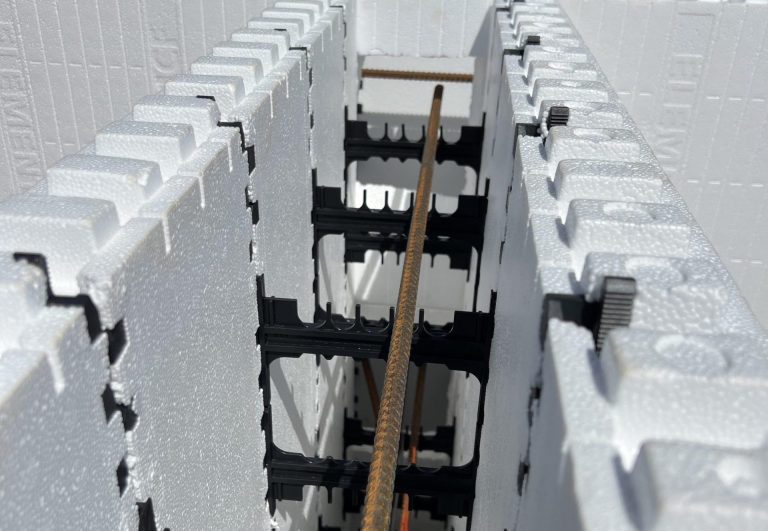
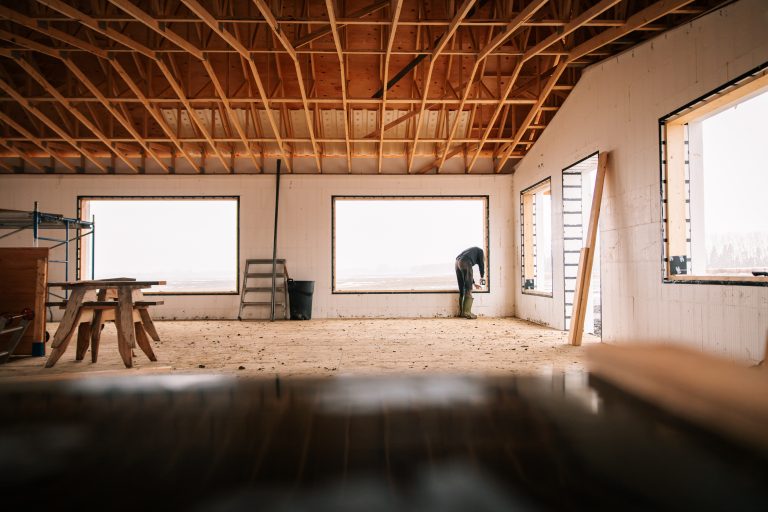
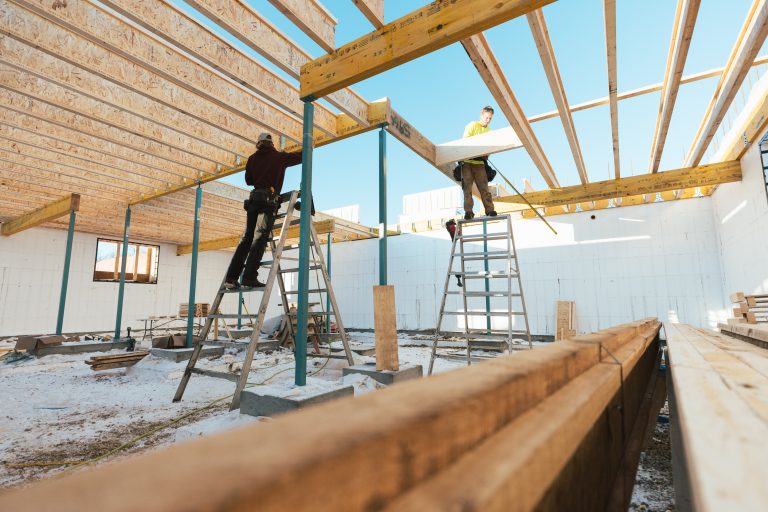
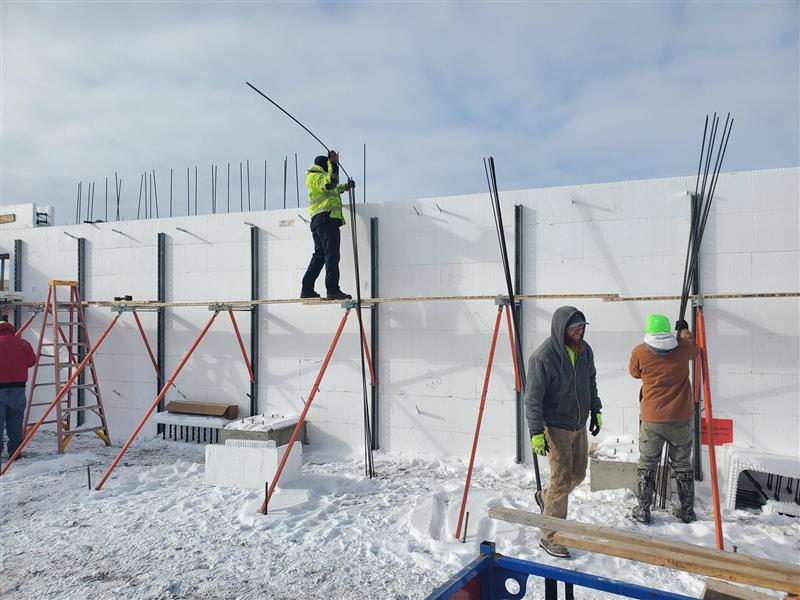
- 10″ concrete core ICF walls helped maximize energy performance while supporting long-term sustainability goals.
- A 40 kW solar array enables complete energy autonomy, allowing the facility to generate its own power.
- The project demonstrates how ICFs can support sustainable industrial construction without compromising performance.
- Strong partnerships and innovative thinking turned an ambitious vision into a working reality.
Let’s delve into the key figures behind the Modix Plant Build located in Kaukauna, WI. Modix USA, spearheaded by Sebastien Schmidt, has emerged as a pioneering force in the foam molding industry since its inception in 2011. Specializing in the manufacture of non-conventional shape molding presses, Modix USA caters to a diverse array of engineered foams.
The aspirations and challenges of Modix USA were substantial. Their objective? To establish the inaugural net-zero energy manufacturing plant in North America. Achieving this lofty goal necessitated innovative construction methodologies and materials, including the utilization of Insulated Concrete Forms (ICFs) and a steadfast commitment to sustainable, energy-efficient design principles.
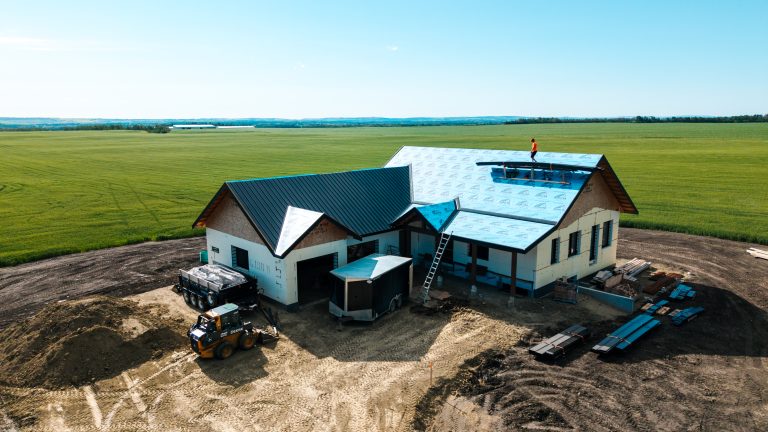
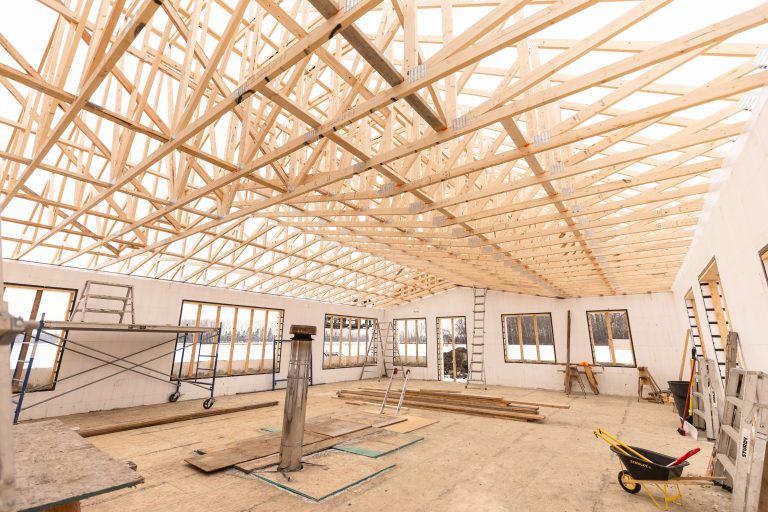
The plant was constructed with 10” concrete core ICF walls instead of conventional steel structures, chosen over traditional steel structures for their energy efficiency and sustainability. AMC Foam, with VP Conrad Hoeppner’s assistance, played a crucial role, showcasing the power of collaboration in achieving groundbreaking results.
In due course, Modix USA’s new facility commenced operations seamlessly. It stands not merely as a manufacturing plant, but as a testament to sustainable manufacturing practices. Equipped with a photovoltaic bank sourced from China, capable of generating 40 KW of power, the facility achieves complete energy autonomy.
This triumph is not exclusive to Modix USA; it holds broader significance for sustainable manufacturing on a global scale. Sebastien Schmidt’s visionary leadership exemplifies the transformative potential of EPS foam as an environmentally responsible material, with approximately 89% of EPS now either recyclable or amenable to recycling, as per Schmidt’s assertion.
Now, let’s explore some of the takeaways from this project
- Embrace Sustainable Materials: Modix USA’s use of EPS and other engineered foams demonstrates the potential of sustainable materials in industrial applications. Companies can explore innovative materials that reduce environmental impact.
- Leverage Local Expertise: The collaboration with local experts and suppliers for construction and installation underscored the benefits of tapping into nearby resources, reducing logistics costs, and supporting the community.
- Prioritize Energy Efficiency: The implementation of a photovoltaic bank and radiant heating system highlights the importance of investing in energy-efficient technologies to achieve net-zero energy goals.
- Adopt ICF Construction for Sustainability: The decision to use Insulated Concrete Forms (ICFs) over traditional materials for better insulation and energy savings is a practical tip for those looking to build sustainably.
- Promote Recycling and Sustainability: Sebastien’s focus on the recyclability of EPS showcases how promoting and implementing recycling practices can enhance a company’s sustainability profile.
In conclusion, the Modix Plant Build in Kaukauna, WI, not only represents a milestone in sustainable manufacturing but also serves as a beacon of innovation and collaboration. As we reflect on the achievements of Modix USA and the lessons learned from this project, let us continue to strive towards a future where sustainability, efficiency, and environmental responsibility are paramount in all industrial endeavors.